Tag: Beekeeping

Top Bar Beekeeping – Good For The Bees

Top bar beekeeping is beekeeping using top bar hives (or Warre hives, which are simply vertical top bar hives). There are two main types of beehives used by hobby beekeepers – ‘conventional’ modern beehives, based on the Langstroth hive, and top bar hives. Although Langstroth type hives are still the most common, top bar beekeeping is becoming more and more popular.

So what is so good about top bar beekeeping? The strongest argument is that it is good for the bees.

The fundamental difference between the top bar hive and a Langstroth hive is that the top bar hive is frameless, so the bees always have to draw their own honeycomb. There is no pre-printed, one size fits all wax foundation used.

The disadvantage of this is that the bees have to make more wax (and so as a consequence will make less honey). But there are real advantages.

In top bar beekeeping, bees will make the comb exactly as they want it – not just the way the beekeeper wants it. It must be remembered that the Langstroth hive was invented to make life easier (and the bees more productive) for the beekeeper, not for the benefit of the bees. Bees are perfectly happy in a more natural setting (such as a hollow in a tree), and advocates of top bar beekeeping argue that the top bar hive is much closer to what nature intended.

Also, the foundation wax used in frames for Langstroth hives is recycled wax from other beehives. While recycling is normally good, in this case the recycled wax will often contain high amounts of chemicals and pesticides – particularly since most of it comes from commercial beehives.

In a recent Pennsylvania State University study, 87 types of pesticides were found in beeswax, with up to 39 different detections in a single sample. None of this contaminated wax is introduced to the hive in top bar beekeeping, as all the wax is ‘freshly’ made by the bees.

Another advantage of top bar beekeeping is the shape of the top bar hive – trapezoidal, with sloped sides. This allows the bees to make their comb in a ‘parabolic’ shape that comes naturally to them – again, as they would in the wild.

Top bar beekeeping is not for everyone. If your main aim is maximize honey production, then Langstroth hives will be more suitable. But if you are interested in becoming a ‘natural’ beekeeper, then top bar beekeeping could be for you.
Beekeeping Video – How to Check Your Hive for Sealed Brood, Eggs and Larvae.

Beekeeping videos are a great way to see exactly what experienced beekeepers are looking for when they open their hives. Here’s a video from well known Illionis beekeeper David Burns.

In mid March he checked this hive and there was no brood, but now, as you can see in the video, the queen is working very hard & there is lots of brood – exactly what you want to see at this time of year.

As always, please leave your comments below.

Beekeeping And The Varroa Mite

As a beekeeper, you have many pests and diseases to watch out for. One which is potentially very serious is the varroa mite. It is now so widespread that if you keep bees, you are almost certain to get varroa mite sooner or later. Although this has still to be proved, it is thought that varroa could be one of the stress factors causing colony collapse disorder (CCD).

Untreated colonies will eventually die out, so once you have varroa, you must take action. Although you can never totally eliminate the varroa mites from your colony, with good beekeeping practice you can keep them at manageable levels.

 What exactly is varroa?

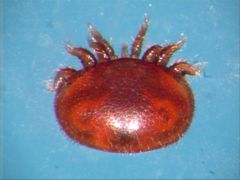
Varroa mite

Varroa mite

The varroa mite, or Varroa destructor to give it its proper name, is an external parasite of honey bees. They are very small, measuring between 1.1 and 1.7 mm (about 4/100 to 7/100 of an inch), and were originally found on Asian honey bees. Because of the shorter life cycle of this species of bee, the varroa were never able to get above a certain level of infestation, so the mite did not cause serious damage to these bees.

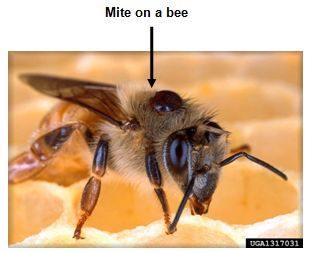
Varroa mite on a bee


However, when the inevitable happened and the varroa migrated to the Western honey bee, it was not able to cope with the infestation. The Western honey bee does not have the same natural defences as the Asian bee, so once mites get established in a colony, they soon get to levels which can do real damage.


What harm do varroa do?


At low infestation levels, the mites do not really do any harm and the bees can function as normal. But as varroa numbers rise, the colony can be severely damaged and will eventually die out.

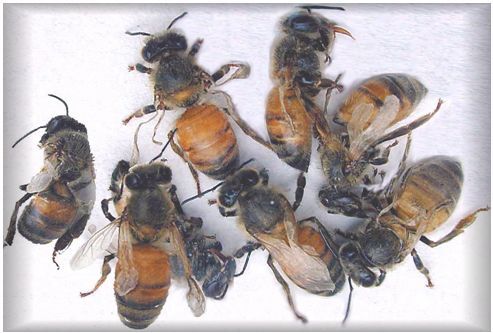
Honey bees with deformed wings caused by varroa

Honey bees with deformed wings caused by varroa

Varroa feed on the blood of both developing bees (brood) and adult bees. This weakens the bees, and can lead to deformities in growing brood. The mites also spread harmful pathogens and viruses as they transfer from one bee to another.


What methods are available to treat for varroa?


There are 2 main methods of control – chemical controls, and management methods. Chemical control is basically the use of varroacides, various chemical sprays or treatments designed to kill the mites.

Many beekeepers (particularly hobby beekeepers) are uneasy about using chemicals in their hives. In any case, largely because the chemical methods were overused, varroa are now becoming resistant to the main ingredient (pyrethroids), particularly in the United States, so management methods are really the only option left.

Various management techniques exist to help keep the number of mites to an acceptable level, without the use of chemicals. Natural varroa management methods are more labour intensive, but when used properly can give good results.

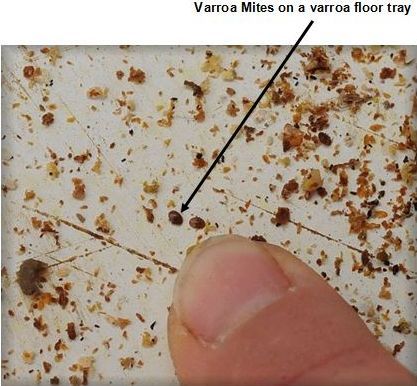
Varroa mites on a varroa floor tray


One method is the use of open mesh floors, so as the mites fall out of the hive they are unable to return. As they can only survive for a few days without feeding of a bee, the ones that fall out will die.

Another natural mite control method is to dust the bees with icing sugar. This encourages the bees to clean each other, and this extra cleaning will remove a lot of the mites. Combined with the open mesh floors, many beekeepers have had good results with this technique.

For more experienced beekeepers, there are other methods involving the removal of drone brood (which is infested with varroa), or creating an artificial swarm and so leaving the varroa infested brood behind.

Varroa mites are a problem, but do not let this put you off! With good management this parasite can be kept under control, and your bees will thrive.


[All images courtesy www.cornwallhoney.com]

Vanishing Of The Bees

Here’s a great video from YouTube. It’s a trailer from the movie “Vanishing of The Bees” and spells out the consequences of losing all our bees through Colony Collapse Disorder. Personally, I think it is a very moving piece of film, and a real wake up call.

Watch it and see what you think – and don’t forget to leave a comment below!

Bee Safety – 7 Tips To Avoid Getting Stung When Beekeeping

Bee safety is an important issue for beekeepers and non-beekeepers alike. Beekeeping has several safety issues, but the biggest concern, particularly for beginner beekeepers, is of course bee stings.

Despite the popular misconception, fuelled by media stories about ‘killer bees’, bees are not aggressive creatures. They do not attack for no reason, and only sting in self defence.

But if you work with bees you have to accept that there are times when you will get stung. However, sensible bee safety means avoiding bee stings as much as possible. As a beekeeper you also have a responsibility to make sure you are not putting others in danger of being stung.

So here are a few basic bee safety tips to help keep those stings to minimum.

1 Wear proper protective gear

Ideally wear a full bee suit, but at least a veil, and gloves. More experienced beekeepers sometimes do not wear protective clothing. Experience makes your bee handling skills better, and after multiple stings you’ll find that you hardly notice them anymore! But as a beginner, always take full precautions.

 2 Wear light colored clothing

Bees are much more likely to see you as a threat if you are wearing black or dark clothes. You should also avoid woollen type fabrics as the bees can get caught in them which just makes them angry. Of course, wearing a white bee suit will solve both these problems.

 3 No perfumes

Do not wear any perfumes, aftershaves or other scents, as these can make the bees more aggressive. Natural odors are fine!

 4 Work your hives at the right times

Open your hive around midday when many of the bees are out foraging. Late evening is not a good time as the hive will be full of bees and you will cause more disturbance and stress. Do not open the hive when it is very cold or raining. Especially when it has been raining for a few days, the bees will be frustrated at being stuck in the hive and can be a little bad tempered.

 5 Don’t rush

When working your hive, take your time and avoid sudden jolts – smooth gentle manipulation will cause less stress.

 6 Avoid sudden movements

When bees are buzzing around you, do not flail your arms about – it just irritates them and makes them more likely to sting. Let bees land on you and then gently brush them off.

 7 Let the bees win

Sometimes your bees will become too aggressive to continue working with them. This can be because of the weather, or some other stress beyond your control. If this does happen, close the hive as quickly as possible and turn and walk away. Do not try to continue working with angry bees – come back another day when the bees have calmed down and try again.

Do not let the fear of stings spoil your enjoyment of beekeeping. Keep the stings to a minimum by following these 7 basic bee safety tips.